
Most businesses do not have a lead generation problem. They have a leak problem. Traffic arrives, a few people enquire, and the rest vanish with no way back. The fix is a sales funnel: a deliberate path that moves a stranger from never having heard of you to handing over money, with a plan for every stage in between. Only about 4 percent of visitors are ready to buy on their first visit, which means roughly 96 percent need nurturing before they convert. A funnel is how you keep those 96 percent instead of losing them.
What a sales funnel actually is
A sales funnel is the journey from awareness to purchase, broken into stages so you can spend the right effort at the right moment. The simplest model has three layers. The top of funnel (TOFU) is awareness, where people first discover you. The middle (MOFU) is consideration, where they weigh you against alternatives. The bottom (BOFU) is decision, where they are ready to act. Each stage needs different content and a different ask. Pushing a hard sell at someone in the awareness stage is the fastest way to lose them, and offering only blog posts to someone ready to buy wastes the demand you worked to create.
It is called a funnel because numbers shrink at every step. That is normal and expected. The goal is not to stop the narrowing, it is to make each step convert as efficiently as it reasonably can.
Know your stage by stage numbers
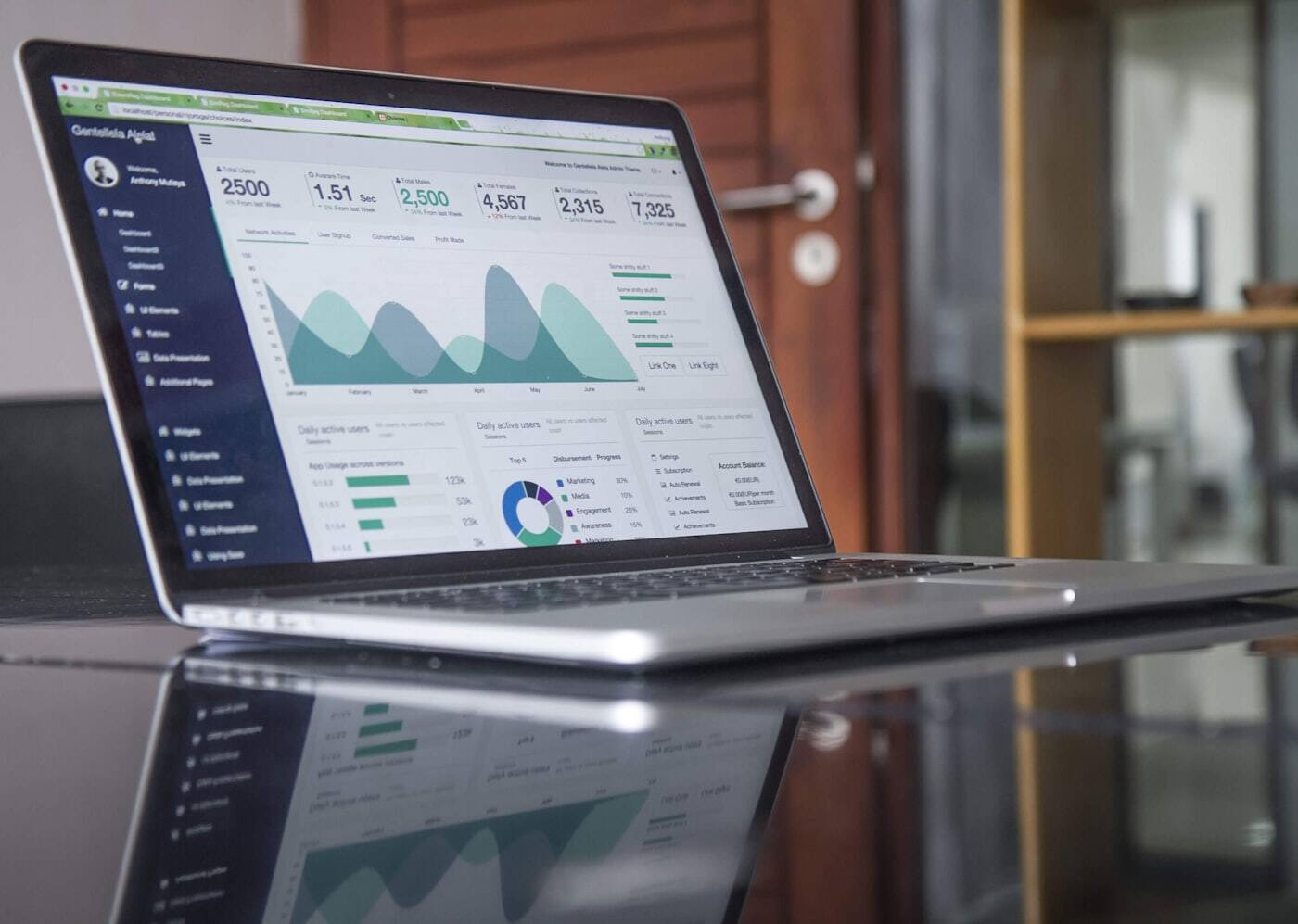
You cannot fix what you do not measure. These are realistic 2026 benchmarks for a typical B2B funnel. Use them to find your weakest step, which is where the most revenue is hiding.
| Funnel step | Typical conversion rate | What it tells you |
|---|---|---|
| Visitor to lead | 2 to 3 percent | Offer and landing page strength |
| Lead to marketing qualified (MQL) | 13 to 31 percent | Lead quality and fit |
| MQL to sales qualified (SQL) | 13 to 15 percent, up to 40 percent with behavioral scoring | Nurturing and scoring quality |
| SQL to opportunity | 30 to 59 percent | Sales follow up and demo quality |
| Opportunity to customer | 22 to 30 percent | Closing, pricing, objection handling |
End to end, most B2B funnels convert 3 to 7 percent of leads into customers. The single biggest gap in most funnels is the MQL to SQL handoff. Teams using behavioral scoring convert that step at close to 40 percent versus an average of around 13 percent, so it is often the most profitable place to improve first.
Build the top: attract the right strangers
The top of funnel exists to earn attention from people who could realistically become customers, not to chase raw traffic. Focus on a few channels you can sustain rather than spreading thin.
- Search content. Answer the questions your buyers type before they are ready to buy. This compounds over time and brings visitors at near zero marginal cost.
- Paid ads. Useful for speed and testing, but only profitable once the rest of the funnel converts. Send paid traffic to a dedicated landing page, never your homepage.
- Social and referral. Consistent presence where your audience already spends time, plus a simple way for happy customers to send others your way.
TOFU traffic converts at only 0.3 to 0.6 percent directly, so the job here is volume and capture, not closing. Every top of funnel asset should offer a clear next step, usually a lead magnet that trades genuine value for an email address.
Build the middle: nurture the undecided
This is where most funnels quietly fail. B2B buyers consume an average of 13 pieces of content before they purchase, so a single follow up email is nowhere near enough. Companies that excel at lead nurturing generate 50 percent more sales ready leads at 33 percent lower cost, which is one of the highest return activities in marketing.
A workable middle of funnel system has three parts. First, a welcome and education sequence that arrives automatically over the first two weeks. Second, ongoing value through a newsletter or retargeting so you stay visible during the weeks or months a buyer takes to decide. Third, lead scoring that watches behavior, such as visiting your pricing page or opening several emails, and flags the moment someone is ready for a sales conversation. Email is the workhorse here, with the middle of funnel converting at roughly 1 to 3 percent per touch and far higher across a full sequence.
Build the bottom: convert with speed
At the bottom of funnel the buyer is ready. Your job is to remove friction and respond fast. Speed is the most underrated lever in the entire funnel: responding to an inbound lead within 5 minutes makes you about 21 times more likely to qualify that lead than waiting 30 minutes. Most businesses reply in hours or days, which means the fastest competitor often wins by default.
Bottom of funnel assets are the ones that close: a clear pricing or services page, case studies and proof, a frictionless contact or booking form, and a strong guarantee or risk reducer. BOFU content converts at 5 to 10 percent or higher, so even small improvements to your enquiry form, your follow up speed, or your proof can move real revenue.
Measure, then fix the biggest leak
Once the funnel is running, do not optimize everything at once. Track conversion at each step, compare it to the benchmarks above, and find the single worst gap. Fixing the weakest step usually returns far more than polishing the steps that already work. Re measure after each change so you know what actually moved the number rather than guessing.
When to call in professionals
A basic funnel is something most teams can stand up themselves. Bring in specialists when the stakes or the complexity rise: when paid budgets are large enough that wasted spend hurts, when you need marketing automation and lead scoring wired into a CRM, when your conversion rates sit well below the benchmarks and you cannot find why, or when you simply do not have the time to build and maintain the content engine a funnel needs. A good partner will instrument your funnel, find the leaks with data, and fix the steps in priority order. Our lead generation team builds and manages end to end funnels, from capture to nurture to close. Request a free funnel audit and we will map your current funnel and show you exactly where the revenue is leaking.
Related reading
Frequently asked questions
How long does it take to build a sales funnel?
A basic funnel with a landing page, lead magnet, and a short email sequence can be live in 2 to 4 weeks. A mature funnel with content, paid traffic, scoring, and CRM automation is an ongoing build that improves over months as you feed it data.
What is a good sales funnel conversion rate?
End to end, 3 to 7 percent of leads becoming customers is healthy for most B2B funnels. Rather than chasing one headline number, compare each step to its benchmark and fix the weakest one first.
Do I need expensive software to run a funnel?
No. You can start with an email tool, a single landing page, and a spreadsheet to track stages. Add automation and a CRM once volume justifies it. The system matters far more than the software.
Explore everything Auronix Solutions can do to fill your pipeline and grow your business.